

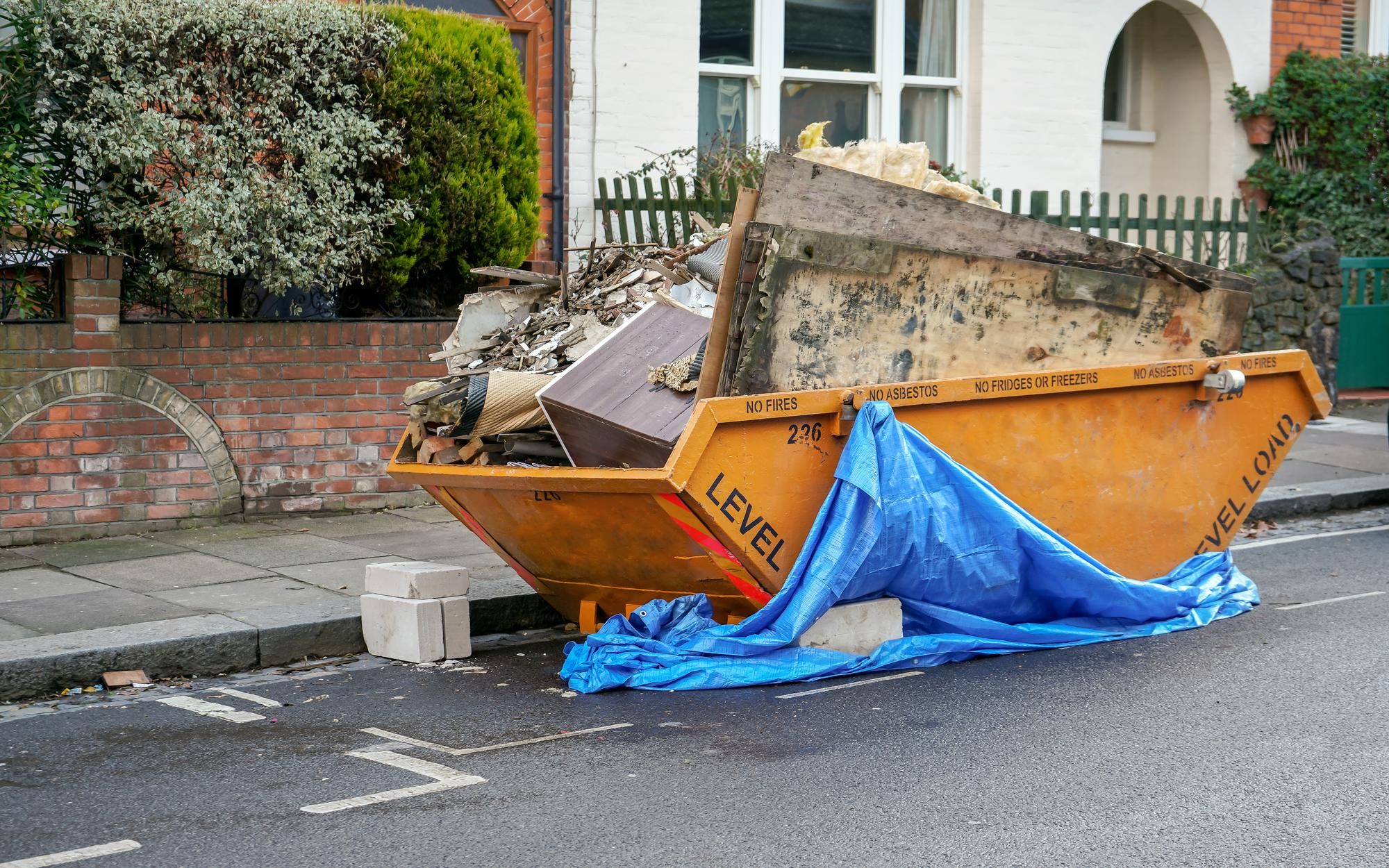
Skip hire is often treated as a routine task. A container arrives, waste is loaded, and collection is arranged. In regulated environments, however, what goes into that skip has direct implications for site safety, environmental compliance and legal responsibility.
A skip is not a disposal solution in isolation. It is a temporary holding point within a broader waste management chain. Once collected, waste is transported to a licensed facility where it is inspected, sorted and directed to recycling, recovery or disposal routes. If prohibited materials are identified, the load may be rejected and returned for re-segregation.
Knowing what can and cannot go into a skip prevents avoidable compliance issues and reduces the risk of disruption, additional cost and enforcement action.
Why skip contents matter
Under the Environmental Protection Act 1990 and associated duty of care requirements, waste producers must take reasonable steps to ensure that waste is stored, described and transferred correctly. The official waste duty of care code of practice sets out these responsibilities in practical terms.
Responsibility for correct classification sits with the waste producer, not the skip provider. Once waste leaves your premises, your duty of care does not end.
When prohibited materials are mixed into general waste, several risks arise:
-
Fire during transport or compaction
-
Contamination of recyclable materials
-
Exposure to hazardous substances
-
Incorrect description on waste transfer documentation
Environment Agency enforcement action frequently arises where hazardous materials are misdescribed or incorrectly mixed with general waste. In most cases, this stems from unclear segregation processes rather than deliberate action.
What can typically go into a standard skip
Standard mixed waste skips are designed for non-hazardous materials. Acceptance criteria vary depending on permit conditions, but the following are generally permitted.
Construction and demolition waste
-
Bricks and concrete
-
Tiles and ceramics
-
Soil and rubble
-
Untreated timber
-
Limited quantities of plasterboard
Household and clearance waste
-
Furniture (excluding POP’s)
-
Non-electrical fixtures
-
Clothing and textiles
-
Packaging materials
-
Plastics free from hazardous residue
Renovation materials
-
Doors and window frames
-
Cabinets and shelving
-
Non-contaminated fittings
Contamination changes classification. Timber treated with hazardous preservatives or rubble contaminated with chemicals may require specialist disposal. Clear site segregation significantly reduces the risk of incorrect loading.
Applying the principles explained in our overview of the waste management hierarchy supports better material separation and recovery outcomes.
What cannot go into a standard skip?
Certain materials require specialist handling, documentation or treatment and must not enter a general skip.
Hazardous waste
Hazardous waste must always be segregated and managed separately. This includes:
-
Asbestos
-
Solvents and chemicals
-
Paints and oils
-
Contaminated soil
-
Fluorescent tubes
-
Persistent organic pollutants (POPs)
Incorrect disposal can invalidate documentation and trigger investigation.
Electrical and electronic equipment
Electrical waste must not be placed into mixed skips. Examples include:
-
Televisions and monitors
-
Refrigerators and freezers
-
Microwaves
-
Computers and printers
These items fall under the UK Waste Electrical and Electronic Equipment framework. Government guidance on regulations for waste electrical and electronic equipment explains why they require designated recovery routes.
Electrical equipment often contains refrigerants, heavy metals or other controlled substances that demand specialist treatment.
Batteries
All battery types are prohibited. Lithium-ion batteries present a recognised fire risk when damaged or compacted. Fires at waste facilities are increasingly linked to incorrect battery disposal.
Gas cylinders and pressurised containers
Gas bottles, fire extinguishers and aerosol canisters must not be placed into skips. Even when apparently empty, they may retain residual pressure and pose an explosion risk during handling.
Liquids
Liquids of any type should not enter a skip. This includes:
-
Oils and fuels
-
Cleaning agents
-
Liquid paints
-
Coolants
Liquids can leak during transport, contaminate other materials and create environmental harm.
Tyres
Tyres are banned from landfill and require specialist recycling routes.
Clinical waste
Waste contaminated with biological substances must follow controlled disposal routes. Our guidance on why clinical waste should be kept separate from normal waste outlines the risks of cross-contamination.
Grey areas requiring assessment
Some materials require additional review before disposal.
Plasterboard
Plasterboard can release hydrogen sulphide gas when mixed with biodegradable waste in a landfill. Many providers restrict quantities or require segregation.
Treated timber
Older treated timber may contain hazardous preservatives depending on age and composition.
Contaminated packaging
Containers that previously held hazardous substances may themselves be classified as hazardous if not properly cleaned.
Where uncertainty exists, classification should be confirmed before loading the skip.
Waste transfer notes and documentation
Even where materials are permitted in a skip, documentation requirements apply.
For non-hazardous waste, businesses must complete a waste transfer note when transferring waste to an authorised carrier. This record must accurately describe the waste, confirm its quantity and identify both parties involved.
Hazardous waste requires additional documentation and stricter controls.
Misdescribing waste to bypass restrictions can lead to enforcement action. Building documentation checks into skip planning ensures compliance is established before loading begins.
Why mixing prohibited materials creates operational risk
In practice, transfer stations carry out visual inspections of incoming loads. If prohibited items are identified:
-
The entire load may be rejected and returned to site
-
Additional sorting costs may apply
-
Waste may need to be reclassified
-
Regulatory authorities may be informed
Most compliance failures arise from unclear site instructions or inconsistent segregation rather than deliberate action. A clear site process significantly reduces this risk.
Building a compliant skip waste process
A defensible process protects both safety and compliance.
Step 1: Identify waste streams clearly
Determine in advance what materials will be generated and how they should be classified.
Step 2: Segregate at source
Provide clearly marked containers or areas for different waste types.
Step 3: Brief teams and contractors
Ensure those loading the skip understand what cannot be included.
Step 4: Verify classification
Where materials fall into grey areas, confirm classification before disposal.
Step 5: Confirm authorised carriers
Verify that waste carriers and receiving facilities are appropriately licensed.
Supporting compliant skip and container waste management
Standard skips are suitable for non-hazardous mixed waste such as rubble, timber and furniture. However, containerised waste systems require structured oversight to prevent contamination and compliance breaches.
We support organisations across construction, manufacturing and commercial environments where mixed skip misuse creates avoidable operational and regulatory risk.
Our skip and roll-on roll-off services help businesses manage containerised waste safely and in line with regulatory expectations, ensuring correct segregation, authorised collection and compliant transfer.
If you are reviewing site waste arrangements or are unsure whether specific materials should enter a skip, visiting our skip and roll-on roll-off service page provides further guidance on compliant waste collection and handling.
The key takeaway
Skips are designed for general non-hazardous waste. They are not a universal disposal route for all materials generated on-site.
Placing prohibited items into skips introduces fire risk, contaminates recyclable streams and may breach duty of care obligations under UK law. Responsibility remains with the waste producer.
Clear segregation, accurate classification and correct documentation significantly reduce risk and disruption.