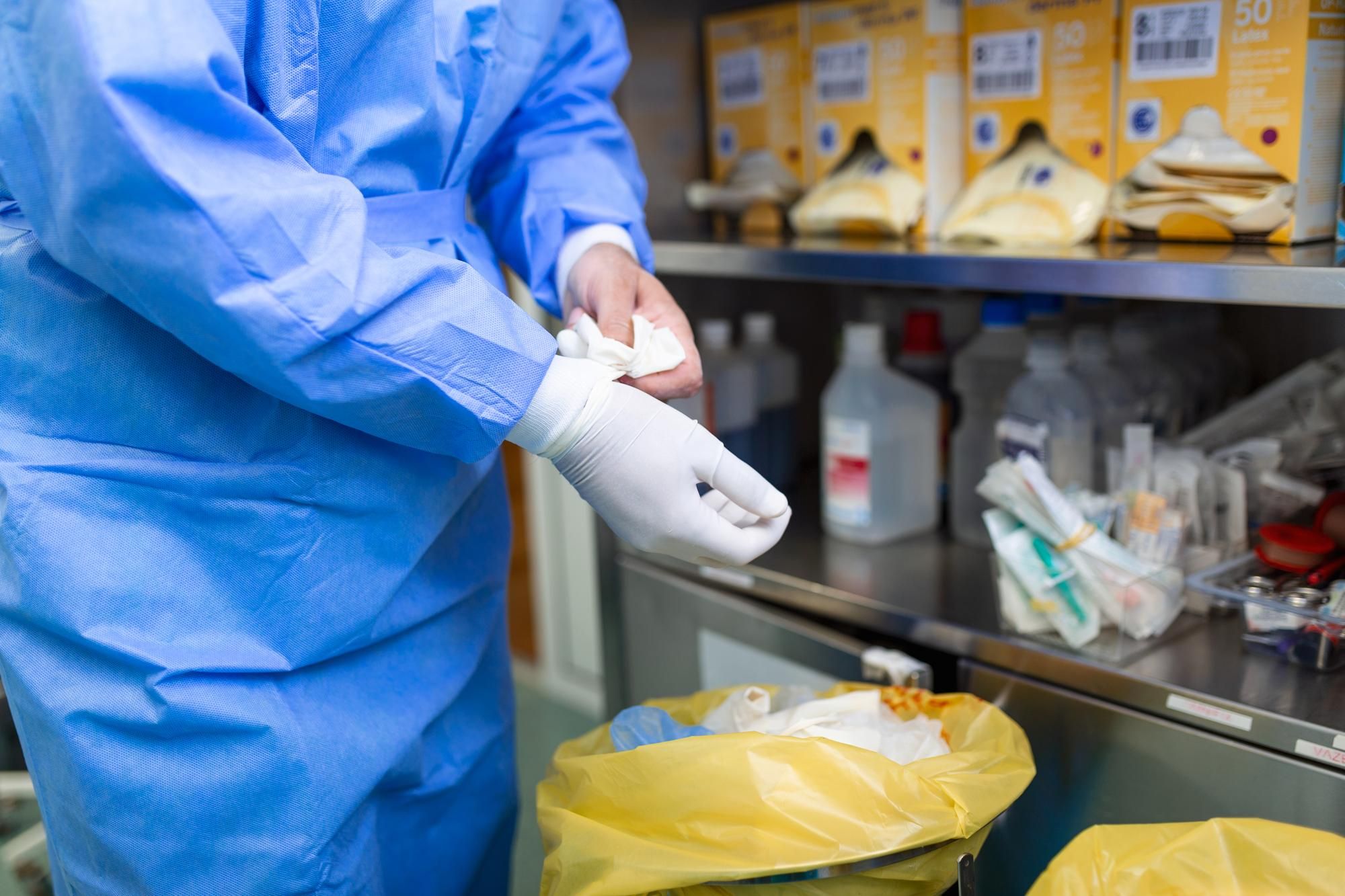
Clinical work produces waste that is very different from everyday rubbish. Used dressings, sharps, sample pots and medicines can carry infection risks or contain substances that need specialist treatment. If those items end up in the same bags as food packaging and office paper, everyone who handles the waste is exposed to unnecessary risk.
Clinical waste should be kept separate because it may be infectious, hazardous, or require treatment routes that do not apply to normal waste. This guide explains what counts as clinical waste, why segregation matters, and how organisations can manage it safely and consistently.
What counts as clinical waste in the UK?
Clinical waste is produced from healthcare, dental, veterinary and similar activities and may pose a risk of infection or contain pharmaceuticals or chemicals. NHS guidance, such as the Health Technical Memorandum 07-01 on healthcare waste, sets out how these wastes should be classified, colour-coded and treated across UK healthcare settings.
Typical examples of clinical waste include:
- Used dressings, swabs and items contaminated with blood or bodily fluids
- Sharps such as needles, scalpels and lancets
- Waste medicines and pharmaceutical products
- Laboratory consumables that may be contaminated
Normal waste, by contrast, includes uncontaminated packaging, office paper, general rubbish and standard recycling streams.
The difference is the level of harm the waste can cause if mishandled. Clinical waste presents a higher risk to people and the environment, which is why it must be segregated at source rather than left to be identified later.
Why clinical waste must stay separate from normal waste
Safety risks when clinical waste is handled as general waste
Clinical waste can contain pathogens, sharps and chemical residues. If it enters the normal rubbish stream, it can injure or infect the people who handle it, often without warning.
Common risks include:
- Needle stick injuries when sharps are placed in black bags
- Contact with infectious items during bag handling or compaction
- Leaks from sacks containing contaminated materials
- Unplanned exposure to medicines or chemicals by cleaning staff or waste crews
The Health and Safety Executive’s healthcare waste guidance makes clear that waste processes must be designed to prevent infection risks and protect anyone involved in handling waste. In real settings, most mistakes happen at the bin, not at the treatment facility, so segregation at source is one of the most effective controls available.
Compliance and treatment requirements for clinical waste
Healthcare waste management in the UK sits at the intersection of environmental regulation, health and safety law and NHS standards. Organisations are expected to demonstrate that clinical and non-clinical waste streams are kept separate and that duty of care obligations are met at every transfer.
When clinical waste appears in normal bins, transfer documentation may no longer reflect the true contents. That creates immediate compliance risk during audits and inspections, and can lead to enforcement action, rework, or reputational damage.
These expectations apply across a wide range of settings, from acute hospitals to community clinics and mixed-use estates. Kane Enviro supports this through waste support for facilities management contracts, helping teams maintain consistent segregation standards across complex sites.
Clinical waste also often requires specialist treatment such as high-temperature incineration or disinfection technologies. If clinical materials are mixed into general waste, loads may be rejected or rerouted at extra cost, and staff and equipment may be exposed to unexpected hazards. When waste is segregated at the point of use, it can be collected and treated through the correct route without guesswork further down the chain.
Environmental impacts of poor segregation
Poor segregation can increase environmental impact. When clinical waste is not kept separate, larger volumes may be sent to high-impact treatment routes than are actually required.
The World Health Organization’s health care waste fact sheet explains that while most healthcare waste is comparable to domestic waste, a smaller hazardous fraction can cause serious harm if not managed properly. Correct segregation helps ensure higher-impact treatment is reserved for waste that genuinely needs it.
Keeping clinical waste out of the general waste stream also supports lower-impact pathways for non-clinical waste. Kane Enviro’s sustainability support for lower-impact waste management links safe segregation with practical steps towards resource efficiency and reduced environmental harm.
How to keep clinical waste separate on site
A reliable clinical waste system depends on clear definitions, suitable containers and everyday behaviours that are easy to follow.
Step 1: Identify where clinical waste arises
Map the areas that generate clinical waste, such as treatment rooms, wards, dental surgeries, laboratories and care settings. Include waste holding areas and collection points, not just clinical spaces. For each area, agree which items are clinical, which are offensive or sanitary, and which belong in normal waste or recycling. Removing grey areas early reduces misclassification later, especially when staffing changes or departments move.
Step 2: Use colour-coded containers and clear labelling
Alternative text: Colour-coded clinical waste, sharps and general waste bins showing correct segregation at source.
Each waste stream must have dedicated containers and clear labels. A typical arrangement includes:
Rigid sharps containers for needles and blades
- Colour-coded bags and bins for infectious or offensive waste
- Dedicated containers for pharmaceutical waste
- Clearly separate bins for general waste and recycling
Consistency matters. Staff should see the same colours and labels wherever they work, reducing hesitation and mistakes, particularly when teams rotate or departments change layout. Kane Enviro supports this through its clinical waste management service, providing compliant containers, secure storage options and specialist collections that help keep clinical and normal waste streams clearly separated. If your organisation needs support reviewing bin layouts, container supply or collection arrangements, Kane Enviro’s clinical waste specialists can help put a practical segregation plan in place.
Step 3: Train staff, locums and contractors
Segregation decisions are made in seconds at the bin. Training should explain why clinical waste must not be mixed with normal waste and use simple examples of what goes where in each area. Include agency staff, students and cleaning teams, as these groups are often involved in waste handling but may be less familiar with local bin layouts. Keep refreshers short and regular, especially after layout changes or service expansion.
Step 4: Monitor and refine the system
Even well-designed systems drift as layouts change or bins get moved. Regular checks help maintain standards.
Spot-check bins for contamination
- Review contractor feedback on rejected or rerouted loads
- Deliver brief refreshers where issues recur
- Audit periodically to check consistency across the estate
Kane Enviro’s waste reporting for audits and compliance provides visibility of trends, helping teams pinpoint hotspots and demonstrate improvement.
Step 5: Link clinical segregation to wider site management
Clinical segregation is easier to maintain when it is planned alongside general waste and recycling rather than treated as a standalone task. Kane Enviro’s environmental services for waste, hygiene and compliance support organisations that want joined-up management across multiple waste streams and sites.
Quick checklist for day-to-day segregation
Use this as a practical reference in clinical areas and waste holding points:
- Sharps always go into rigid sharps containers, never into sacks
- Clinical waste goes into the correct colour-coded stream
- Normal waste and recycling are clearly separated and labelled
- Bin stations are consistent across departments
- Spot checks and reporting are used to prevent drift
The key takeaway for your organisation
Clinical waste is fundamentally different from normal waste. It can carry infection risks, contain active medicines and require specialist treatment. Mixing it with everyday rubbish increases the chance of harm, weakens compliance and often leads to higher environmental impact.
- The key takeaway is that keeping clinical waste separate from normal waste:
- Protects staff, patients and the public
- Supports compliance with UK guidance and regulation
- Ensures each stream reaches the correct treatment route
- Reduces unnecessary use of high-impact disposal methods
With clear definitions, colour-coded containers, regular training and active monitoring, segregation becomes part of everyday clinical practice and a visible sign of safe, professional care.